New Commission on the State of Hate Report Highlights Trends in Hate Activity Across California
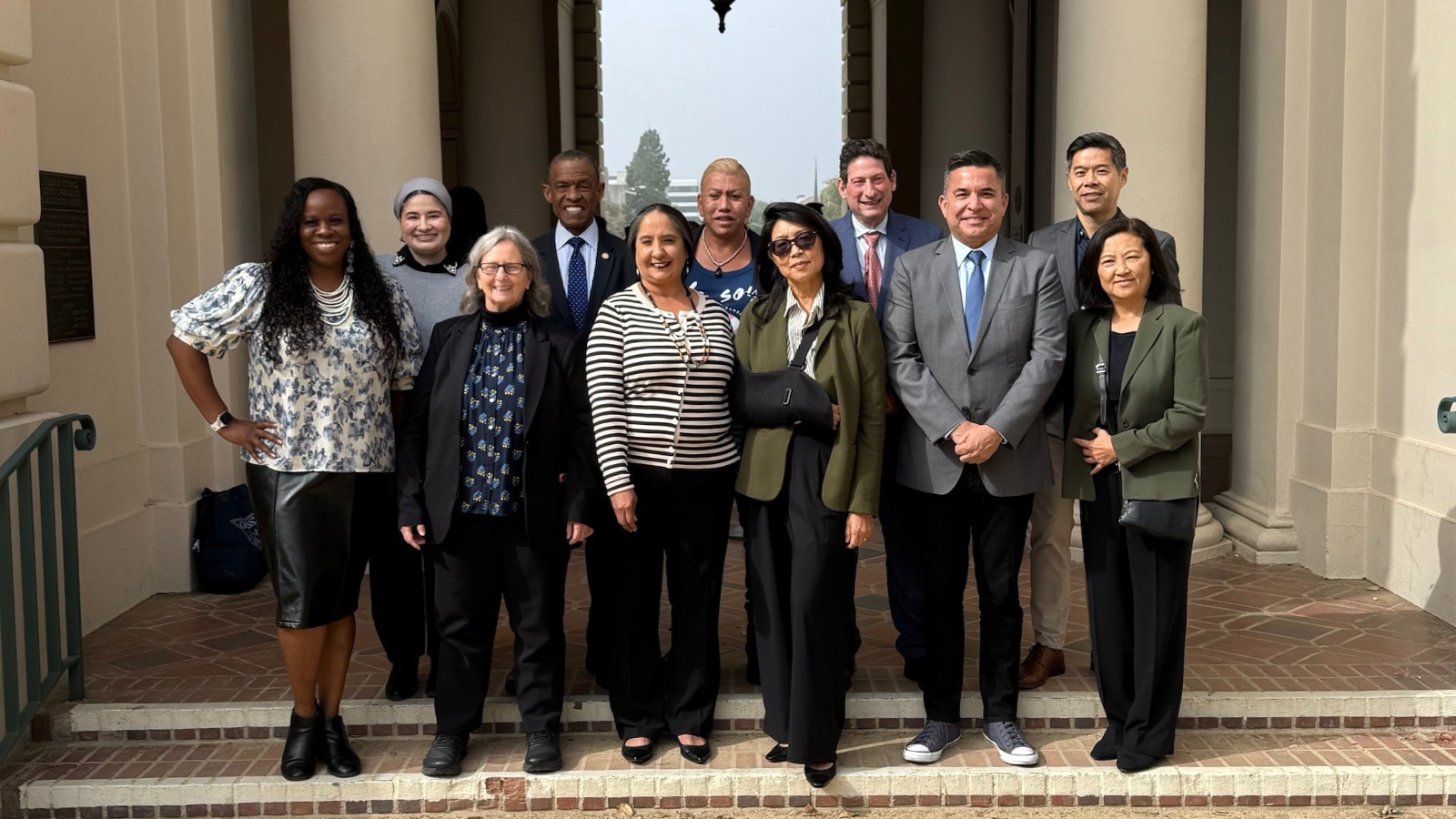
The California Commission on the State of Hate
The California Commission on the State of Hate has released its third annual report, documenting trends in hate activity across the state and issuing new interim policy recommendations to strengthen efforts to combat hate in California.
The report reflects the Commission’s ongoing work to review available data, elevate community voices, and identify evidence-based strategies to prevent and respond to hate.
“As hate crimes have risen dramatically over the last decade, California is leading the nation in its response,” said Commission Chair Brian Levin. “Our state has built up local support networks, we’re investing in increased safety for nonprofits, and we’re bringing together experts from all walks of life to help us put a stop to hate. This notable report reflects a wide range of community voices, expert research, and public input. I encourage everyone to read it.”
Commission Vice Chair Andrea Beth Damsky emphasized the shared responsibility to respond. “When any Californian faces hate because of who they are, it is up to all of us to stand with them. We all deserve to live in a world that is free from hate.”
Civil Rights Department Director Kevin Kish noted that the report provides “an important roadmap for how we can continue to meaningfully take action against hate,” and thanked the many community members and partners who contributed to the Commission’s work. “People all across California continue to come together to support their neighbors and help build a state where everyone feels safe and welcome.”
Trends in Hate Activity Across California
A central goal of the Commission is to regularly and comprehensively report on hate activity and its impacts. To do so, it reviews and compiles data from law enforcement, representative surveys, community organizations, and other sources. While gaps in available data remain, reported hate activity is near record highs across the country.
Among the key findings in California:
A recent survey sponsored by the Commission estimated that approximately 1 in 12 Californians over the age of 12 experienced at least one act of hate between 2022 and 2023.
The same survey also found that roughly 1 in 7 Native American adults, 1 in 7 Black adults, and 1 in 11 Asian American adults experienced hate in California.
Preliminary analysis also estimates that just 1 in 333 adults and 1 in 1,000 adolescents who experienced potentially criminal acts of hate in California are captured in law enforcement data.
With respect to hate crimes reported to law enforcement, religious bias hate crimes saw the largest year-over-year jump, increasing 30% from 2022 to 2023.
Recommendations to Strengthen California’s Response
Building on research and public hearings with testimony from subject matter experts, community organizations, and state and local leaders, the Commission developed a range of interim recommendations and tools aimed at preventing and combating hate. A few key examples include:
Community-Centered Approach: Many communities that have historically been targeted by hate continue to be disproportionately impacted. The Commission recommends ongoing support for the work of community organizations to uplift locally tailored solutions.
Hate Crime Coordinators: Require law enforcement to designate a specific person as a hate crime coordinator to improve response by serving as a resource for other officers and members of the public, as well as ensuring compliance with legal obligations.
Mental Health Support: Hate can have devastating impacts on mental health. Remote care is a promising option to ensure victims across California have access to providers with the appropriate expertise, cultural understanding, and language skills.
Proactive Campaigns: While some surges in hate cannot be predicted, others around major events, like elections, can be. The Commission recommends proactively ramping up efforts to publicize existing resources, like California vs Hate, ahead of such events.
Online Bullying: One of the most common locations for teens to experience hate is online. The Commission recommends the development of school curricula to help students better recognize online hate and understand actions they can take to combat it.
The Civil Rights Department provides technical and administrative support to the Commission. To learn more, read the Commission’s third annual report and visit the Department’s website for additional information, including how to watch upcoming hearings.
